I supposed it was inevitable given today's technology ... this just in from TBNN ...
Born in an Armenian Body John Knew Early That He Was a Calvinist
John William Henry was always good-looking. His teeth never needed braces. His hair never thinned. He had a symmetrical jaw, a pleasant smile, white teeth, broad shoulders, and a trim waste. But he had a secret. He sometimes, in secret prayer, acknowledged God as sovereign over all things.
"I really wanted to be a Calvinist so bad, and that was one way for me to satisfy those feelings," Henry said. "But I always felt like someone was looking over my shoulder."
The desire to be a Calvinist never went away. At age 27, Henry confessed those feelings to his pastor and started seeing a Christian phychologist who suggested Henry was Armenian to Calvinist transreligious. Through constructive surgeries, reverse electrolysis, simulated scar technology, smoking lessons, and an unhealthy diet, John the Armenian became known as John the Calvinist.
While still relatively rare, one advocate estimates that 0.25 to 0.5 percent of all Calvinists are considered "handsome" or "pretty". The idea of changing physical appearance to be accepted by Calvinists has become more widespread in recent years.
Many people who have transitioned, including Henry, say they knew they had been born into the wrong body from childhood. As early as age 3, Henry, born into a good-looking Armenian family, didn't understand why his father wanted him to ignore certain passages in the Bible. As an Armenian, Henry learned at least 3 versions of the sinner's prayer, wrote his second birth date in his Bible, created Popsicle stick figures of all 12 disciples, and weekly wrote cards to missionaries. But he secretly enjoyed praying each morning on his knees, reading the Bible, and discussing Bible truths with his grandfather.
"Now I get up every morning and say, 'Wow, I can actually look at myself in the mirror,' because I've never been able to do that in my life, because that handsome figure that would stare back at me was not me," Henry said.
Doctors speculate that there is a biological foundation to religious identity, but no one has determined what in the biological makeup determines that religion.
"For people who want an Armenian to Calvinist change on a biological level, the first step is to spend more time on the spiritual aspects of the body than the physical," says Altus Nethammer, a personal trainer with Bodies4Life.
It is rare for people to undergo an Armenian to Calvinist transreligious change and then want to reverse it, especially when substantial changes have been made to diet and exercise routines, experts say.
Some transreligious individuals do face some quandaries. Some churches do not simply look at physical appearances for membership and require people to voice and demonstrate proof of their theological beliefs before becoming members.
Henry has experienced some dismay from others around him. Henry said his mother took five years to adjust. One of his brothers still doesn't speak to him. "For the longest time, I really felt like I had a mental illness, but I don't feel that way anymore," Henry said.

Saturday, June 13, 2009


Friday, June 12, 2009
post rapture pet care
If you have a pet and you still believe in a rapture (pre or post trib), then you need to contact these people now, Post Rapture Pet Care.
"No one knows the day or the hour when these things will happen, not even the angels in heaven or the Son himself. Only the Father knows" Matthew 24:36
Do you wonder what is going to happen to your pets when Jesus descends from Heaven to re-unite the Church with the Father taking all Christians - dead and alive - up to Heaven? Will your pets be left behind with no-one to care for them?
Have no fear! We at Post Rapture Pet Care are confirmed atheists and as such will be part of the left behind when the time comes. Just because we are atheists doesn't mean we are not animal lovers. We adore all kind of pets and would love to look after your pets after you are gone.
For a small donation of £69.99 pounds, we will make sure your pets are well fed and taken care of long after you and your family have been taken up.
We have representatives in the South East of England and also in the North East of Scotland so can accommodate for most areas of the country giving you peace of mind where ever you are.
This is not a joke. We feel very strongly about pet care and want to offer the best possible services to British pet owners. Feel free to get in touch at pets@postrapturepetcare.com for more info.
"For the Lord Himself will descend from heaven with a shout, with the voice of an archangel, and with the trumpet of God. And the dead in Christ will rise first. Then we who are alive and remain shall be caught up together with them in the clouds to meet the Lord in the air. And thus we shall always be with the Lord." 1 Thessalonians 4:15–17
"No one knows the day or the hour when these things will happen, not even the angels in heaven or the Son himself. Only the Father knows" Matthew 24:36
Do you wonder what is going to happen to your pets when Jesus descends from Heaven to re-unite the Church with the Father taking all Christians - dead and alive - up to Heaven? Will your pets be left behind with no-one to care for them?
Have no fear! We at Post Rapture Pet Care are confirmed atheists and as such will be part of the left behind when the time comes. Just because we are atheists doesn't mean we are not animal lovers. We adore all kind of pets and would love to look after your pets after you are gone.
For a small donation of £69.99 pounds, we will make sure your pets are well fed and taken care of long after you and your family have been taken up.
We have representatives in the South East of England and also in the North East of Scotland so can accommodate for most areas of the country giving you peace of mind where ever you are.
This is not a joke. We feel very strongly about pet care and want to offer the best possible services to British pet owners. Feel free to get in touch at pets@postrapturepetcare.com for more info.
"For the Lord Himself will descend from heaven with a shout, with the voice of an archangel, and with the trumpet of God. And the dead in Christ will rise first. Then we who are alive and remain shall be caught up together with them in the clouds to meet the Lord in the air. And thus we shall always be with the Lord." 1 Thessalonians 4:15–17
Technorati Tags: eschatology
Thursday, June 11, 2009
eschatological tension
In The Presence of the Future, George Eldon Ladd writes the following regarding the tension between the signs which precede the coming of the Lord and the sudden nature of His coming.
In regard to the signs of these end times, Kim Riddlebarger adds, "the tribulation the church will face throughout this present evil age are not signs of God's indifference or impotence in coming to their aid. These signs guarantee that Jesus Christ is coming to end this present age. The despair of humanity and the tumult of the earth cry out together for the redemption of all creation. The groaning of the earth tells us that all is not right and that God must intervene to undo the consequences of human sinfulness."
... its primary purpose an ethical objective: to exhort to watchfulness and readiness for the end. ... Jesus was not interested in depicting eschatological conditions but in preparing men for the day of judgment. This ethical concern conditioned Jesus' proclamation of the time of the eschatological event. This is where the Gospels leave us ... Logically, for many, this appears contradictory, but it is a tension with an ethical purpose --to make date-setting impossible and therefore to demand constant readiness.
In regard to the signs of these end times, Kim Riddlebarger adds, "the tribulation the church will face throughout this present evil age are not signs of God's indifference or impotence in coming to their aid. These signs guarantee that Jesus Christ is coming to end this present age. The despair of humanity and the tumult of the earth cry out together for the redemption of all creation. The groaning of the earth tells us that all is not right and that God must intervene to undo the consequences of human sinfulness."
Technorati Tags: eschatology
Wednesday, June 10, 2009
jesus
Last week Ray Ortlund reminded us that it is Jesus, Jesus, Jesus (Mt 11.28). Now Kevin DeYoung reminds us just who this Jesus is. The following is his post.
The greatness of God is most clearly displayed in his Son. And the glory of the gospel is only made evident in his Son. That’s why Jesus’ question to his disciples is so important: “Who do you say that I am?”
The question is doubly crucial in our day because not every Jesus is the real Jesus. Almost no one is as popular in this country as Jesus. Hardly anyone would dare to say a bad word about him. Just look at what a super-fly friendly dude he is over there. But how many people know the real Jesus?
This Jesus was the Creator come to earth and the beginning of a new creation. He embodied the covenant, fulfilled the commandments, and reversed the curse. This Jesus is the Christ that God spoke of to the serpent, the Christ prefigured to Noah in the flood, the Christ promised to Abraham, the Christ prophesied through Balaam before the Moabites, the Christ guaranteed to Moses before he died, the Christ promised to David when he was king, the Christ revealed to Isaiah as a suffering servant, the Christ predicted through the prophets and prepared for through John the Baptist.
This Christ is not a reflection of the current mood or the projection of our own desires. He is our Lord and God. He is the Father’s Son, Savior of the world, and substitute for our sins–more loving, more holy, and more wonderfully terrifying than we ever thought possible.
The greatness of God is most clearly displayed in his Son. And the glory of the gospel is only made evident in his Son. That’s why Jesus’ question to his disciples is so important: “Who do you say that I am?”
The question is doubly crucial in our day because not every Jesus is the real Jesus. Almost no one is as popular in this country as Jesus. Hardly anyone would dare to say a bad word about him. Just look at what a super-fly friendly dude he is over there. But how many people know the real Jesus?
- There’s the Republican Jesus who is against tax increases and activists judges, for family values and owning firearms.
- There’s Democrat Jesus who is against Wall Street and Wal-Mart, for reducing our carbon footprint and printing money.
- There’s Therapist Jesus who helps us cope with life’s problems, heals our past, tells us how valuable we are and not to be so hard on ourselves.
- There’s Starbucks Jesus who drinks fair trade coffee, loves spiritual conversations, drives a hybrid and goes to film festivals.
- There’s Open-minded Jesus who loves everyone all the time no matter what, except for people who are not as open-minded as you.
- There’s Touchdown Jesus who helps athletes fun faster and jump higher than non-Christians and determines the outcomes of Super Bowls.
- There’s Martyr Jesus, a good man who died a cruel death so we can feel sorry for him.
- There’s Gentle Jesus who was meek and mild, with high cheek bones, flowing hair, and walks around barefoot, wearing a sash and looks very German.
- There’s Hippie Jesus who teaches everyone to give peace a chance, imagine a world without religion, and helps us remember all you need is love.
- There’s Yuppie Jesus who encourages us to reach our full potential, reach for the stars, and buy a boat.
- There’s Spirituality Jesus who hates religion, churches, pastors, priests, and doctrine; and would rather have people out in nature, finding the god within and listening to ambiguously spiritual musical.
- There’s Platitude Jesus, good for Christmas specials, greeting cards, and bad sermons; he inspires people to believe in themselves, and lifts us up so we can walk on mountains.
- There’s Revolutionary Jesus who teaches us to rebel against the status quo, stick it to the man, and blame things on the “system.”
- There’s Guru Jesus, a wise, inspirational teacher who believes in you and helps you find your center.
- There’s Boyfriend Jesus who wraps his arms around us as we sing about his intoxicating love in our secret place.
- There’s Good Example Jesus who shows you how to help people, change the planet, and become a better you.
This Jesus was the Creator come to earth and the beginning of a new creation. He embodied the covenant, fulfilled the commandments, and reversed the curse. This Jesus is the Christ that God spoke of to the serpent, the Christ prefigured to Noah in the flood, the Christ promised to Abraham, the Christ prophesied through Balaam before the Moabites, the Christ guaranteed to Moses before he died, the Christ promised to David when he was king, the Christ revealed to Isaiah as a suffering servant, the Christ predicted through the prophets and prepared for through John the Baptist.
This Christ is not a reflection of the current mood or the projection of our own desires. He is our Lord and God. He is the Father’s Son, Savior of the world, and substitute for our sins–more loving, more holy, and more wonderfully terrifying than we ever thought possible.
Monday, June 08, 2009
spiritual growth
Peter Edwards spoke yesterday on spiritual disciplines. I thought this built on my thoughts the other day regarding "muscle memory". Edwards outlined that growth comes through several sources. Among them, people (Pro 27.17), circumstances (stories of Jonah and Job), disciplines (Psa 1.1-2; 119.11; Dan 6.10; Neh 1.4). We then looked deeper at discipline (1 Tim 4.7-8).
Spiritual discipline is not:
Spiritual discipline is not:
- self-reformation (it is a gift from God)
- a short-cut to maturity
- an end to itself
- an enabler for growth
- a way to enter God's presence
- a channel toward freedom
Technorati Tags: discipleship
small group discuss
Here are some good small group leader reminders by Terrell Clemmons ... Discuss, Don't Dominate - an effective small-group leader directs without dominating. Here are some guidelines for facilitating group discussions.
Wait out the silence. After you ask a questions, don't rush to rephrase or answer it. Allow group members time to think.
Watch faces. If you see the wheels turning, invite members to think aloud: "Mike, did you have a thought you'd like to share?"
Ask follow-up questions. This draws the speaker out and helps everyone think about the subject more thoroughly. You might ask,
- "What do you mean by that?"
- "In what way?"
- "Why do you think that is?"
Know when to contribute. You don't need to do what your group members have already done. If a member has offered a gentle, appropriate correction to a wrong answer, it's not necessary to add to it. If the group has covered a question well and your answer is the same, go to the next question.
However, if you have a different answer to offer, do so respectfully. "I thought of it from a different angle" and, "We really see this differently, don't we?" are good ways to introduce your idea.
Consult the group. When a member asks you a question, let the group add its input first. Someone else may have an excellent response. You can summarize with your answer afterward if it would help.
Monitor tangents. Decide if a tangent fits the purpose of the group. Allow those that are beneficial, but refocus a discussion that's gone too far off subject or degenerated into meaningless chatter. Sometimes a knowing smile and a "Getting back to question seven..." are sufficient. If your group wants to address a tangential issue in more detail, consider scheduling a separate meeting to examine it.
Affirm members' input without condescending. Don't over-comment. Correct their responses gently when necessary.
Encourage quieter members. Some members are more reluctant to share than others. Consider gentle invitations: "Jan, we'd love to hear from you. Do you have any thoughts on this subject?"
Wait out the silence. After you ask a questions, don't rush to rephrase or answer it. Allow group members time to think.
Watch faces. If you see the wheels turning, invite members to think aloud: "Mike, did you have a thought you'd like to share?"
Ask follow-up questions. This draws the speaker out and helps everyone think about the subject more thoroughly. You might ask,
- "What do you mean by that?"
- "In what way?"
- "Why do you think that is?"
Know when to contribute. You don't need to do what your group members have already done. If a member has offered a gentle, appropriate correction to a wrong answer, it's not necessary to add to it. If the group has covered a question well and your answer is the same, go to the next question.
However, if you have a different answer to offer, do so respectfully. "I thought of it from a different angle" and, "We really see this differently, don't we?" are good ways to introduce your idea.
Consult the group. When a member asks you a question, let the group add its input first. Someone else may have an excellent response. You can summarize with your answer afterward if it would help.
Monitor tangents. Decide if a tangent fits the purpose of the group. Allow those that are beneficial, but refocus a discussion that's gone too far off subject or degenerated into meaningless chatter. Sometimes a knowing smile and a "Getting back to question seven..." are sufficient. If your group wants to address a tangential issue in more detail, consider scheduling a separate meeting to examine it.
Affirm members' input without condescending. Don't over-comment. Correct their responses gently when necessary.
Encourage quieter members. Some members are more reluctant to share than others. Consider gentle invitations: "Jan, we'd love to hear from you. Do you have any thoughts on this subject?"
Technorati Tags: small groups
Friday, June 05, 2009
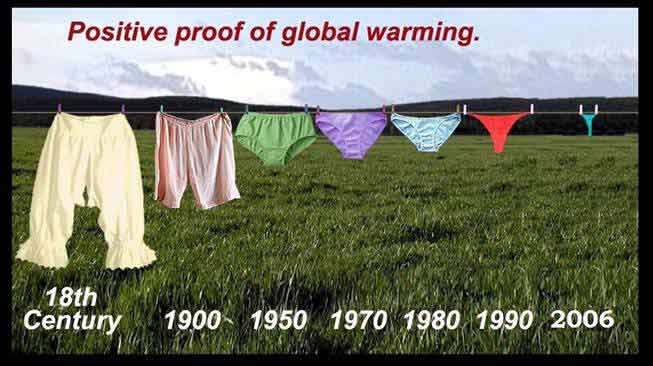
Thursday, June 04, 2009
calvinist humor
Ok - Calvinists are typically not very funny but we try. Here Kim Riddlebarger takes a stab at it ... What If Calvinists Became the Majority . . . Not Gonna Happen . . . But What If . . .
Technorati Tags: humor
Wednesday, June 03, 2009
that old story
Your Bible is not a collection of religious stories. No, it is one story, the grand story of redemption. The Bible has one central character; God himself, specifically in the person of the Lord Jesus Christ. From cover to cover the Bible is a narrative of the wondrous works of a God. Perhaps the four most important words in all of Scripture are the first four words; "In the beginning God..." You simply cannot understand yourself, your world, and the meaning and purpose of life unless you view them from the vantage point of the existence, character, and plan of God. ~ Paul Trip, Psalm 73: The Old Story
HT:DD
HT:DD
Technorati Tags: Scripture
inerrancy
The inerrancy of Scripture means that Scripture in the original manuscripts does not affirm anything that is contrary to fact.
Per Wayne Grudem, "This definition focuses on the question of truthfulness and falsehood in the language of Scripture. The definition in simple terms just means that the Bible always tells the truth and that it always tells the truth concerning everything it talks about. This definition does not mean that the Bible tells us every fact there is to know about any one subject, but it affirms that what it does say about any subject is true."
Per Wayne Grudem, "This definition focuses on the question of truthfulness and falsehood in the language of Scripture. The definition in simple terms just means that the Bible always tells the truth and that it always tells the truth concerning everything it talks about. This definition does not mean that the Bible tells us every fact there is to know about any one subject, but it affirms that what it does say about any subject is true."
Technorati Tags: Scripture
why i'm concerned
The past few days I've posted quite a bit regarding the authority of Scripture and I will probably post a little more on that. I didn't do these posts as some ultimate goal. In fact, I'm a "the Bible is the menu not the meal" kind of guy (see here, here, here, here, here, and likely more). I did it because the emergent trend (not rule) is to claim high regard for Scripture and yet make statements and draw conclusions contrary to that. Frankly, I think Michael Patton hit the nail on the head in noting that many emergents lack notitia and assensus.
One such emergent just quoted Morpheus (The Matrix), "There's a difference between knowing the path and walking the path." That's excellent in it's intent. This is a repeat of the menu v. meal concept and I have no issue with folks rediscovering this truth while thinking it's new. I did the same when I was young. My only issue is that these young people, just as I did at that stage in my life, have developed their own arrogance as they confront the arrogance of the generation before them. That's unfortunate ... worse, it's sinful.
This may seem to much adieu about nothing and if the above were the only example, I'd agree. But here's another quote from the same mind, "if someone discovered the Bible was not perfect, would it change your faith?" Most answered "no". Somehow they are able to have "faith" in a god whose inspired communication to us is not perfect. As I'm trying to express in various posts, this fails logic and is contrary to God's nature. Here are the thoughts generated among the emergent gang interacting with the initial quote:
One such emergent just quoted Morpheus (The Matrix), "There's a difference between knowing the path and walking the path." That's excellent in it's intent. This is a repeat of the menu v. meal concept and I have no issue with folks rediscovering this truth while thinking it's new. I did the same when I was young. My only issue is that these young people, just as I did at that stage in my life, have developed their own arrogance as they confront the arrogance of the generation before them. That's unfortunate ... worse, it's sinful.
This may seem to much adieu about nothing and if the above were the only example, I'd agree. But here's another quote from the same mind, "if someone discovered the Bible was not perfect, would it change your faith?" Most answered "no". Somehow they are able to have "faith" in a god whose inspired communication to us is not perfect. As I'm trying to express in various posts, this fails logic and is contrary to God's nature. Here are the thoughts generated among the emergent gang interacting with the initial quote:
- some implied that Scripture has already been discovered to be imperfect
- God is perfect but not the Bible
- knowing the Bible is perfect or not does not diminish its value nor faith in it
- relying on the concepts of infallibility/inerrancy is less than faith without that dependancy
- inerrancy is not "Biblical", moreover it is a "silly modern" concept and part of a lot of other "crap"
Technorati Tags: Scripture
Tuesday, June 02, 2009
truthfulness
Psalm 12:6 indicates the absolute reliability and purity of Scripture. Similarly Prov. 30:5 indicates the truthfulness of every word that God has spoken. Though error and at least partial falsehood may characterize the speech of every human being, it is the characteristic of God’s speech even when spoken through sinful human beings that it is never false and that it never affirms error: “God is not man, that he should lie, or a son of man, that he should repent” (Num. 23:19) was spoken by sinful Balaam specifically about the prophetic words that God had spoken through his own lips. ~ Wayne Grudem
Technorati Tags: Scripture
god's truth
All of the words in the Bible are God’s words, and therefore to disbelieve or disobey any word in Scripture is to disbelieve or disobey God. The Bible clearly teaches that God cannot lie or speak falsely (2 Sam. 7:28; Titus 1:2; Heb. 6:18). Therefore, all the words in Scripture are claimed to be completely true and without error in any part (Num. 23:19; Pss. 12:6; 119:89, 96; Prov. 30:5; Matt. 24:35). God’s words are, in fact, the ultimate standard of truth (John 17:17).
Technorati Tags: Scripture
authority of scripture
RC Sproul on the authority of Scripture.
The issue of Scripture’s inspiration and infallibility boils down to the issue of its authority. A famous bumper-sticker reads as follows: “God says it. I believe it. That settles it.”
What is wrong with this statement? It adds an element that is unsound. It suggests that the matter of biblical authority is not settled until the person believes the Bible. The slogan should read: “God says it. That settles it.” If God reveals something, that revelation carries the weight of his authority. There is no higher authority. Once God opens his holy mouth, the matter is settled. This is axiomatic for Reformed theology.
The question of sola Scriptura is fundamentally one of authority. Here the supreme authority rests with the Bible, not the church; with God, not with man. This came home to me in a discussion with a former college roommate. We had lost contact with each other and had not seen each other for twenty years when we met again at a theology conference, where I was speaking on the topic of biblical authority. After the meeting we had dinner together and my friend said to me, “R. C., I don’t believe in the infallibility of Scripture any more.”
I asked him what he did still believe in from our earlier days. He said, “I still believe in Jesus as my Savior and Lord.”
I indicated I was pleased to hear this, but proceeded to ask, “How does Jesus exercise his Lordship over your life?”
My friend, a bit perplexed by my question, asked, “What do you mean?”
“If Jesus is your Lord, then that means he exercises authority over you. How do you know how he wants you to live if not from the Bible?”
“From the teaching of the church,” he replied.
Here was a “Protestant” who forgot what he was protesting. He had come full circle, jettisoning sola Scriptura and replacing it with the authority of the church. He placed the church above Scripture. This is not unlike what occurred in Rome. Though Rome did not deny Scripture’s infallible authority as my friend did, she nevertheless in a real and critical sense subordinated Scripture to the church.
The subordination of Scripture was a burning issue among the Reformers. John Calvin said: “A most pernicious error has very generally prevailed—viz. that Scripture is of importance only in so far as conceded to it by the suffrage of the Church; as if the eternal and inviolable truth of God could depend on the will of men. With great insult to the Holy Spirit, it is asked, Who can assure us that the Scriptures proceeded from God[?].…”
Calvin then reminds the reader that the Scriptures themselves (Eph. 2:20) declare that the church is established on the foundation of the apostles and prophets. He continues: “Nothing, therefore, can be more absurd than the fiction, that the power of judging Scripture is in the Church, and that on her nod its certainty depends. When the Church receives it, and gives it the stamp of her authority, she does not make that authentic which was otherwise doubtful or controverted, but, acknowledging it as the truth of God, she, as in duty bound, shows her reverence by an unhesitating assent.”
Calvin has in view here the debate over the canon of Scripture. The sixty-six books of the Bible together comprise the canon of Scripture. The term canon means “measuring rod” or “rule.” The Reformers did not recognize the books of the Apocrypha (written during the intertestamental period) as part of the canon. Rome did include the Apocrypha in the canon. Questions of which books are to be included in the canon were debated in the early church. In the final analysis the church recognized the books that now comprise the New Testament.
Since the church was involved in this process, some have argued that the Bible owes its authority to the church’s authority and is therefore subordinate to the church’s authority. This is the point Calvin so vigorously disputes. He declares that the church “does not make that authentic which was otherwise doubtful or controverted” but acknowledges it as God’s truth. Calvin argues that there is a big difference between the church’s recognizing the Bible’s authority and the church’s creating the Bible’s authority. The church used the Latin term recepimus, which means “we receive,” to acknowledge that books of the Bible are what they already were in themselves, the Word of God.
Luther wrote in a similar vein to Calvin concerning the relationship between the authority of the Bible and the authority of the church: “It is not the Word of God because the church says so; but that the Word of God might be spoken, therefore the church comes into being. The church does not make the Word, but it is made by the Word.” Luther goes on to say: “The church cannot give a book more authority or dependability than it has of itself, just as it also approves and accepts the works of the fathers, but thereby does not establish them as good or make them better.”
Roman Catholics view the canon as an infallible collection of infallible books. Protestants view it as a fallible collection of infallible books. Rome believes the church was infallible when it determined which books belong in the New Testament. Protestants believe the church acted rightly and accurately in this process, but not infallibly.
This does not mean that Reformed theology doubts the canonical status of books included in the New Testament canon. Some Protestant theologians believe a special work of divine providence kept the church from error in this matter without imparting to the church any permanent or inherent infallibility.
The Reformed doctrine of sola Scriptura, then, affirms that the Bible is the sole written authority for the faith and life of God’s people. We respect and submit to lesser ecclesiastical authority, but we are not bound by it absolutely as we are by biblical authority. This is the basis for the Reformation principle of semper reformanda, which indicates that reformation of the church is an ongoing process. We are always called to seek more and more to bring our faith and practice into conformity to the Word of God.
The issue of Scripture’s inspiration and infallibility boils down to the issue of its authority. A famous bumper-sticker reads as follows: “God says it. I believe it. That settles it.”
What is wrong with this statement? It adds an element that is unsound. It suggests that the matter of biblical authority is not settled until the person believes the Bible. The slogan should read: “God says it. That settles it.” If God reveals something, that revelation carries the weight of his authority. There is no higher authority. Once God opens his holy mouth, the matter is settled. This is axiomatic for Reformed theology.
The question of sola Scriptura is fundamentally one of authority. Here the supreme authority rests with the Bible, not the church; with God, not with man. This came home to me in a discussion with a former college roommate. We had lost contact with each other and had not seen each other for twenty years when we met again at a theology conference, where I was speaking on the topic of biblical authority. After the meeting we had dinner together and my friend said to me, “R. C., I don’t believe in the infallibility of Scripture any more.”
I asked him what he did still believe in from our earlier days. He said, “I still believe in Jesus as my Savior and Lord.”
I indicated I was pleased to hear this, but proceeded to ask, “How does Jesus exercise his Lordship over your life?”
My friend, a bit perplexed by my question, asked, “What do you mean?”
“If Jesus is your Lord, then that means he exercises authority over you. How do you know how he wants you to live if not from the Bible?”
“From the teaching of the church,” he replied.
Here was a “Protestant” who forgot what he was protesting. He had come full circle, jettisoning sola Scriptura and replacing it with the authority of the church. He placed the church above Scripture. This is not unlike what occurred in Rome. Though Rome did not deny Scripture’s infallible authority as my friend did, she nevertheless in a real and critical sense subordinated Scripture to the church.
The subordination of Scripture was a burning issue among the Reformers. John Calvin said: “A most pernicious error has very generally prevailed—viz. that Scripture is of importance only in so far as conceded to it by the suffrage of the Church; as if the eternal and inviolable truth of God could depend on the will of men. With great insult to the Holy Spirit, it is asked, Who can assure us that the Scriptures proceeded from God[?].…”
Calvin then reminds the reader that the Scriptures themselves (Eph. 2:20) declare that the church is established on the foundation of the apostles and prophets. He continues: “Nothing, therefore, can be more absurd than the fiction, that the power of judging Scripture is in the Church, and that on her nod its certainty depends. When the Church receives it, and gives it the stamp of her authority, she does not make that authentic which was otherwise doubtful or controverted, but, acknowledging it as the truth of God, she, as in duty bound, shows her reverence by an unhesitating assent.”
Calvin has in view here the debate over the canon of Scripture. The sixty-six books of the Bible together comprise the canon of Scripture. The term canon means “measuring rod” or “rule.” The Reformers did not recognize the books of the Apocrypha (written during the intertestamental period) as part of the canon. Rome did include the Apocrypha in the canon. Questions of which books are to be included in the canon were debated in the early church. In the final analysis the church recognized the books that now comprise the New Testament.
Since the church was involved in this process, some have argued that the Bible owes its authority to the church’s authority and is therefore subordinate to the church’s authority. This is the point Calvin so vigorously disputes. He declares that the church “does not make that authentic which was otherwise doubtful or controverted” but acknowledges it as God’s truth. Calvin argues that there is a big difference between the church’s recognizing the Bible’s authority and the church’s creating the Bible’s authority. The church used the Latin term recepimus, which means “we receive,” to acknowledge that books of the Bible are what they already were in themselves, the Word of God.
Luther wrote in a similar vein to Calvin concerning the relationship between the authority of the Bible and the authority of the church: “It is not the Word of God because the church says so; but that the Word of God might be spoken, therefore the church comes into being. The church does not make the Word, but it is made by the Word.” Luther goes on to say: “The church cannot give a book more authority or dependability than it has of itself, just as it also approves and accepts the works of the fathers, but thereby does not establish them as good or make them better.”
Roman Catholics view the canon as an infallible collection of infallible books. Protestants view it as a fallible collection of infallible books. Rome believes the church was infallible when it determined which books belong in the New Testament. Protestants believe the church acted rightly and accurately in this process, but not infallibly.
This does not mean that Reformed theology doubts the canonical status of books included in the New Testament canon. Some Protestant theologians believe a special work of divine providence kept the church from error in this matter without imparting to the church any permanent or inherent infallibility.
The Reformed doctrine of sola Scriptura, then, affirms that the Bible is the sole written authority for the faith and life of God’s people. We respect and submit to lesser ecclesiastical authority, but we are not bound by it absolutely as we are by biblical authority. This is the basis for the Reformation principle of semper reformanda, which indicates that reformation of the church is an ongoing process. We are always called to seek more and more to bring our faith and practice into conformity to the Word of God.
Technorati Tags: Scripture
homosexuality
I hate how some Christians make hating some things their focal point. Can I say that? I guess so. What I mean is that rather than seeking the Kingdom of God first, or focusing on right relationship with our Saviour and King, some seek out sin in others and major in exposing error. They are wrong. Can I say that?
At the same time, some (and it seems vogue in the Emergent community although Iggy's perspective is that this isn't the case in "the stream he swims in" - I love this guy) seem to be working overtime to make homosexuality ok. Actually, I perceive at least a few of those aren't trying to make homosexuality ok. Instead they harbor bitterness toward their perception of "abuses by the church" and when they see those people pointing out the sin of homosexuality, they confront the hypocrisy in a way that seems defensive of homosexuality. Either way, they are wrong. And I think it is more than coincidental that the folks I've observed doing this are the same that are excited about their perceived demise of Sola Scriptura.
I think Kevin DeYoung posted an excellent piece regarding Scripture and homosexuality so I will copy much of it here. It is based on a sermon series he was doing on Leviticus 18.1-30. This post is focused on Lev 18.22.
At the same time, some (and it seems vogue in the Emergent community although Iggy's perspective is that this isn't the case in "the stream he swims in" - I love this guy) seem to be working overtime to make homosexuality ok. Actually, I perceive at least a few of those aren't trying to make homosexuality ok. Instead they harbor bitterness toward their perception of "abuses by the church" and when they see those people pointing out the sin of homosexuality, they confront the hypocrisy in a way that seems defensive of homosexuality. Either way, they are wrong. And I think it is more than coincidental that the folks I've observed doing this are the same that are excited about their perceived demise of Sola Scriptura.
I think Kevin DeYoung posted an excellent piece regarding Scripture and homosexuality so I will copy much of it here. It is based on a sermon series he was doing on Leviticus 18.1-30. This post is focused on Lev 18.22.
Sometimes evangelical Christians get criticized for spending so much time talking about homosexuality. “Why don’t you talk about divorce or greed or gossip? Why are you always harping on this sin like it is worse than all the others.” Well, I talk about those sins when they are in the text. But homosexuality is in this text. And besides, the reason we have to talk about this sin in particular is because there are lots of professing Christians, not to mention society as a whole, who are saying that homosexuality is good. Every generation in the church has its issues to deal with. This just happens to be one of ours. There is so much confusion about this issue and so many voices affirming what is wrong and destructive, that we have to spend some time here. I can’t recall ever preaching a whole sermon on homosexuality. It is not some hobby horse for me, but when it comes up in the Bible, we have to deal with it, and if necessary defend the teaching of Scripture.
So here’s the place where I can take this sermon in a number of different directions. I could talk about ministering to homosexuals. I could talk about loving homosexuals. I could get very serious and warn about the judgment that God promises to those with unrepentant sin, like homosexuality. I could appeal to anyone here in sexual sin to repent and come to Jesus Christ for freedom and forgiveness. All of those would be biblical directions to go. But what I want to do at this point in the message is simply demonstrate to you that this verse is still God’s word on same-sex relationships.
There are several reasons we know that God still forbids homosexual behavior.
1) Leviticus 18 appeals to nature. “You shall not lie with a male as with a woman...” The implication is that homosexuality is contrary to nature. It’s just not the order of things. Men are supposed to have sex with women, not with other men. That’s how God designed it from the beginning. He made male and female bodies to fit together, to reproduce together. His original design was for a man and a woman to become one flesh (Genesis 2:24).
Both Jesus and Paul reaffirm this creation design. Jesus didn’t have to mention homosexuality by name to disapprove of it. Second temple Judaism and the Rabbinic traditions are all absolutely unequivocal in their rejection of homosexuality. Jesus does absolutely nothing to overturn this. Instead he explicitly affirms the normativity of God’s creation design for marriage (Matt. 19:4-6) and goes out of his way to emphasize his submission to the Law and the Prophets (Matt. 5:17-20). God’s design from the beginning was for one man and one woman to enjoy sexual intimacy in the context of marriage.
All sin is offensive to God and renders us liable to judgment (James 2:10), but certain sins, like homosexuality or bestiality, are particularly detestable because they are contrary to nature and pervert the order of God’s creation. It sounds harsh to make that judgment, but the conclusion was self-evident to virtually every single Christian until about 50 years ago.
2) The witness of the rest of Scripture teaches us that homosexual behavior is sinful. Sodom and Gomorrah are used throughout the Bible as examples of particularly heinous rebellion. Their sin was not just being inhospitable, as some liberal Christians like to argue. Jude makes clear that Sodom and Gomorrah sinned by indulging “in sexual immorality” and pursuing “unnatural desire” (Jude 7). The crime at Gibeah in Judges 19 was not just the violence but the desire by men to have sex with men. Romans 1, in listing many sins (all of which need to be taken seriously), makes reference to “dishonorable passions”–women exchanging natural relations for those that are contrary to nature and men likewise committing shameless acts with men (Rom. 1:26-27).
3) Two passages in particular demonstrate the abiding significance of the prohibitions against homosexuality in Leviticus 18.
First look at 1 Corinthians 6:9. The ESV says, “Or do you not know that the unrighteous will not inherit the kingdom of God? Do not be deceived: neither the sexually immoral, nor idolaters, nor adulterers, nor men who practice homosexuality...will inherit the kingdom of God.” The word translated “men who practice homosexuality” is the Greek word arsenokoitai. That same word is used in one other passage in the New Testament. 1 Timothy 1:10 says the law is not laid down for the just but for the lawless and disobedient, for (among other types of sinners), the sexually immoral and “men who practice homosexuality.” Again, that phrase translates the Greek word arsenokoitai.
That word is only used these two times in the New Testament. In fact, no one used the word at all before Paul. It seems that Paul just made it up. So the question becomes: what does this made up word mean? One article I found online says, “What does arsenokoitai mean? Nobody knows for certain. Arsenokoitai is made up of two parts: arsen means man; koitai means beds. Although the word in English Bibles is interpreted as referring to homosexuals, we can be fairly certain that this is not the meaning that Paul wanted to convey. If he had, he would have used the word paiderasste. That was the standard Greek term at the time for sexual behavior between males. We can conclude that he probably meant something different than people who engaged in male-male adult sexual behavior” (religioustolerance.org). Then the article gives some possible meanings for arsenokoitai: abusive pedophiles, male prostitutes, pimps, maturbators, a boy sex slave, but not homosexuality.
This is the sort of argument you will hear all the time from those trying to defending homosexuality from the Bible. They’ll say, “Look, Paul was talking about pedophilia or sex slaves or man-boy love or something else. But he wasn’t talking about two consenting adults.” This line of reasoning sounds plausible, but it ignores the most obvious place Paul would have gone in order to create this word, the Old Testament. The most natural meaning for arsenokoitai comes from Leviticus 18 and 20. Paul made up the word by combining two words used together in Leviticus. You don’t have to know any Greek to see the connection.
Lev. 18:22 kai meta arsenos ou koimethese koiten gunaikos (“you shall not lie with a male as with a woman)
Lev. 20:13 kai hos an koimethe meta arsenos koiten gunaikois (and whoever shall lie with a male as with a woman...”
Remember, the word in question in 1 Corinthians 6 and 1 Timothy 1 is arsenokoitai. Some scholars pretend like we just have to guess as to what this new word means. But it seems clear that Paul, a former Pharisee who knew the Old Testament (including the Greek translation of the Old Testament) better than any other book, combined the two words arsen and koiten from Leviticus to make a new word, arsenokoitai. So Paul was not using a narrow word that refers to only some kinds of homosexuality. He was using a purposefully broad word that referred to any sexual relations between members of the same sex. That’s what Leviticus clearly forbade. And Paul restates the principle from Leviticus in these two places in the New Testament.
In fact, if you look at the context for 1 Corinthians 6, you’ll see that in the surrounding chapters Paul is talking about incest and marriage and sexual immorality. So it would make sense that he has the Holiness Code in his mind. Likewise in 1 Timothy 1, Paul’s list of vices is simply a commentary on the Ten Commandments, so it makes sense that Paul would reference what the rest of the Law says about sexual immorality. Given the Holiness Code in Leviticus, and the unequivocal stance against homosexuality in ancient Judaism, and the clear rejections by Paul and Jude, and the implicit rejection by Jesus–given all of that, I don’t how see any honest student of the Bible can conclude anything except that the Bible considers homoerotic behavior a sin.
...
Technorati Tags: homosexuality, Scripture
Monday, June 01, 2009
creation and evolution
Six views on creation and evolution from Michael Patton ... read his post and let me know which way you lean.
1. Young Earth Creationism
2. Gap Theory Creationists
3. Time-Relative Creationism
4. Old Earth Creationists
5. Theistic Evolution (with a literal Adam and Eve)
6. Theistic Evolutionists (no literal Adam and Eve)
1. Young Earth Creationism
2. Gap Theory Creationists
3. Time-Relative Creationism
4. Old Earth Creationists
5. Theistic Evolution (with a literal Adam and Eve)
6. Theistic Evolutionists (no literal Adam and Eve)
infallible and inerrant
From RC Sproul:
The Infallibility of Scripture
The Reformers were convinced that, because the Bible has its origin in God and was superintended by his inspiration, it is infallible. Infallibility refers to its indefectibility or the impossibility of its being in error. That which is infallible is incapable of failing. We attribute infallibility to God and his work because of his nature and character. With respect to God’s nature he is deemed to be omniscient. With respect to his character, he is deemed to be holy and altogether righteous.
Theoretically we can conceive of a being who is righteous but limited in his knowledge. Such a being could make mistakes in his utterances, not because of a desire to deceive or defraud, but due to his lack of knowledge. His would be honest mistakes. At the human level we understand that persons may make false statements without telling a lie. The difference between a lie and a simple mistake is at the level of intent. On the other hand, we can conceive of a being who is omniscient but evil. This being could not make a mistake due to lack of knowledge, but could tell a lie. This would clearly involve evil or malicious intent. Since God is both omniscient and morally perfect, however, he is incapable of telling a lie or making an error.
When we say the Bible is infallible in its origin, we are merely ascribing its origin to a God who is infallible. This is not to say that the biblical writers were intrinsically or in themselves infallible. They were human beings who, like other humans, proved the axiom Errare humanum est, “To err is human.” It is precisely because humans are given to error that, for the Bible to be the Word of God, its human authors required assistance in their task.
At issue in our day is the question of Scripture’s inspiration. On this point some theologians have tried to eat their cake and have it too. They affirm the Bible’s inspiration while at the same time denying its infallibility. They argue that the Bible, in spite of its divine inspiration, still errs. The idea of divinely inspired error is one to choke on. We shrink in horror at the notion that God inspires error. To inspire error would require either that God is not omniscient or that he is evil.
Perhaps what is in view in the idea of inspired error is that the inspiration, though proceeding from a good and omniscient God, is simply ineffectual to the task at hand. That is, it fails to accomplish its intended purpose. In this case another attribute of God, his omnipotence, is negotiated away. Perhaps God is simply unable to superintend the writing of Scripture with sufficient power to overcome the human authors’ propensity for error.
Surely it would make more sense to deny inspiration altogether than to conjoin inspiration with error. To be sure, most critics of the Bible’s infallibility take their axes to the root of the tree and reject inspiration altogether. This seems a more honest and logical approach. It avoids the impiety of denying foundational attributes to God himself.
Let us examine briefly a formula that has had some currency in our day: “The Bible is the Word of God, which errs.” Now let us expunge some of these words. Remove “The Bible is,” so that the formula reads: “The Word of God, which errs.” Now erase “The Word of” and “which.” The result is “God errs.” To say the Bible is the Word of God that errs is clearly to indulge in impious doublespeak. If it is the Word of God, it does not err. If it errs, it is not the Word of God. Surely we can have a word about God that errs, but we cannot have a word from God that errs.
That the Scripture has its origin in God is claimed repeatedly by Scripture. One example already noted is found in Paul’s Epistle to the Romans. Paul identifies himself as “a servant of Jesus Christ, called to be an apostle, separated to the gospel of God” (Rom. 1:1). In the phrase “the gospel of God,” the word of is a genitive indicating possession. Paul is speaking not merely of a gospel that is about God, but of a gospel belonging to God. It is God’s possession and it comes from him. In a word, Paul is declaring that the gospel he preaches is not from men or of human invention; it is given by divine revelation. The whole controversy over the inspiration and infallibility of the Bible is fundamentally a controversy about supernatural revelation. Reformed theology is committed to Christianity as a revealed faith, a faith that rests, not on human insight, but on information that comes to us from God himself.
The Inerrancy of Scripture
In addition to affirming the Bible’s infallibility, Reformed theology describes the Bible as inerrant. Infallibility means that something cannot err, while inerrancy means that it does not err. Infallibility describes ability or potential. It describes something that cannot happen. Inerrancy describes actuality.
For example, I could score 100% on a spelling test. In this limited experience I was “inerrant”; I made no mistakes on the test. This would not warrant the conclusion that I am therefore infallible. Errant human beings do not always err. They sometimes, indeed often do, err because they are not infallible. An infallible person would never err simply because infallibility as such precludes the very possibility of error.
In our day some scholars have asserted that the Bible is infallible but not inerrant. This creates no small amount of confusion. As we have seen, infallible is the stronger of the two words.
Why then have these scholars preferred the word infallible? The answer is probably located somewhere in the emotive realm. The term inerrancy is frowned on in certain academic circles. It is loaded with pejorative baggage. The term is often associated with unsophisticated and unscholarly types of fundamentalism. On the other hand, the term infallibility has a history of academic respectability, particularly in Roman Catholic scholarship. People may reject the Roman Catholic view of infallibility, but they do not identify it with backwoods, primitive theology. Jesuits, for example, do not suffer from a reputation of unsophisticated scholarship. To escape guilt by association with antiintellectual circles, some have retreated from the term inerrancy and taken refuge in the term infallibility. If in the process infallibility is redefined to mean something less than inerrancy, however, then the shift in nomenclature is a dishonest subterfuge.
Though both inerrancy and infallibility have been integral to historic Reformed theology, the modern controversy over the Bible’s trustworthiness has led others to argue that the concept of inerrancy was not advocated by the magisterial Reformers, but instead was originated by scholastic or rationalistic theologians of the seventeenth century. Though it may be accurate to say that the term inerrancy came into vogue later, it is by no means accurate to assert that the concept is absent from the works of sixteenth-century Reformers. Let us note a few observations from Martin Luther:
Clearly inerrancy and infallibility do not extend to copies or translations of Scripture. Reformed theology restricts inerrancy to the original manuscripts of the Bible, or the autographa. The autographa, the initial works of the writers of Scripture, are not directly available to us today.
For this reason many scoff at the doctrine of inerrancy, saying it is a moot point since it cannot be verified or falsified without access to the original manuscripts. This criticism misses the point altogether. We carry no brief for the inspiration of copyists or translators. The original revelation is the chief concern of the doctrine of inerrancy. Though we do not possess the autographs themselves, we can reconstruct them with remarkable accuracy. The science of textual criticism demonstrates that the existing text is remarkably pure and exceedingly reliable.
Suppose the normative yardstick housed at the National Bureau of Standards were to perish in a fire. Would we no longer be able to determine the distance of three feet with accuracy? With the multitude of existing copies, we could reconstruct with almost perfect accuracy the original yardstick. To restrict inerrancy to the original documents is to call attention to the source of biblical revelation: the agents who were inspired by God to receive his revelation and record it.
Reformed theology carries no brief for the infallibility of translations. We who read, interpret, or translate the Bible are fallible. The Roman Catholic church adds another element of infallibility by claiming it for the church’s interpretation of Scripture, especially when the pope speaks ex cathedra (“from the chair” of St. Peter). Though this adds a second tier of infallibility, the individual Roman Catholic is still left to interpret the infallible interpretation of the infallible Bible fallibly. Whereas Protestants are faced with a fallible interpretation of the church’s fallible interpretation of the infallible Bible, Catholics assume a double level of infallibility.
What does the Bible’s infallibility mean for the average Christian seeking to be guided by Scripture? If the final stage of receiving Scripture rests in our fallible understanding, why is the infallibility of the original documents so important? This is a practical question that bears heavily on the Christian life.
Suppose two people read a portion of Scripture and cannot agree on its meaning. Obviously one or both of them misunderstand the text. The debate between them is a debate between fallible people.
Suppose, however, that the text is clear and that neither person disputes its meaning. If one of them is convinced that the text is God’s infallible revelation, then the question of whether he should submit to it is answered. If the other person is persuaded that the text itself (in its original transmission) is fallible, then he is under no moral obligation to be bound by it.
The Infallibility of Scripture
The Reformers were convinced that, because the Bible has its origin in God and was superintended by his inspiration, it is infallible. Infallibility refers to its indefectibility or the impossibility of its being in error. That which is infallible is incapable of failing. We attribute infallibility to God and his work because of his nature and character. With respect to God’s nature he is deemed to be omniscient. With respect to his character, he is deemed to be holy and altogether righteous.
Theoretically we can conceive of a being who is righteous but limited in his knowledge. Such a being could make mistakes in his utterances, not because of a desire to deceive or defraud, but due to his lack of knowledge. His would be honest mistakes. At the human level we understand that persons may make false statements without telling a lie. The difference between a lie and a simple mistake is at the level of intent. On the other hand, we can conceive of a being who is omniscient but evil. This being could not make a mistake due to lack of knowledge, but could tell a lie. This would clearly involve evil or malicious intent. Since God is both omniscient and morally perfect, however, he is incapable of telling a lie or making an error.
When we say the Bible is infallible in its origin, we are merely ascribing its origin to a God who is infallible. This is not to say that the biblical writers were intrinsically or in themselves infallible. They were human beings who, like other humans, proved the axiom Errare humanum est, “To err is human.” It is precisely because humans are given to error that, for the Bible to be the Word of God, its human authors required assistance in their task.
At issue in our day is the question of Scripture’s inspiration. On this point some theologians have tried to eat their cake and have it too. They affirm the Bible’s inspiration while at the same time denying its infallibility. They argue that the Bible, in spite of its divine inspiration, still errs. The idea of divinely inspired error is one to choke on. We shrink in horror at the notion that God inspires error. To inspire error would require either that God is not omniscient or that he is evil.
Perhaps what is in view in the idea of inspired error is that the inspiration, though proceeding from a good and omniscient God, is simply ineffectual to the task at hand. That is, it fails to accomplish its intended purpose. In this case another attribute of God, his omnipotence, is negotiated away. Perhaps God is simply unable to superintend the writing of Scripture with sufficient power to overcome the human authors’ propensity for error.
Surely it would make more sense to deny inspiration altogether than to conjoin inspiration with error. To be sure, most critics of the Bible’s infallibility take their axes to the root of the tree and reject inspiration altogether. This seems a more honest and logical approach. It avoids the impiety of denying foundational attributes to God himself.
Let us examine briefly a formula that has had some currency in our day: “The Bible is the Word of God, which errs.” Now let us expunge some of these words. Remove “The Bible is,” so that the formula reads: “The Word of God, which errs.” Now erase “The Word of” and “which.” The result is “God errs.” To say the Bible is the Word of God that errs is clearly to indulge in impious doublespeak. If it is the Word of God, it does not err. If it errs, it is not the Word of God. Surely we can have a word about God that errs, but we cannot have a word from God that errs.
That the Scripture has its origin in God is claimed repeatedly by Scripture. One example already noted is found in Paul’s Epistle to the Romans. Paul identifies himself as “a servant of Jesus Christ, called to be an apostle, separated to the gospel of God” (Rom. 1:1). In the phrase “the gospel of God,” the word of is a genitive indicating possession. Paul is speaking not merely of a gospel that is about God, but of a gospel belonging to God. It is God’s possession and it comes from him. In a word, Paul is declaring that the gospel he preaches is not from men or of human invention; it is given by divine revelation. The whole controversy over the inspiration and infallibility of the Bible is fundamentally a controversy about supernatural revelation. Reformed theology is committed to Christianity as a revealed faith, a faith that rests, not on human insight, but on information that comes to us from God himself.
The Inerrancy of Scripture
In addition to affirming the Bible’s infallibility, Reformed theology describes the Bible as inerrant. Infallibility means that something cannot err, while inerrancy means that it does not err. Infallibility describes ability or potential. It describes something that cannot happen. Inerrancy describes actuality.
For example, I could score 100% on a spelling test. In this limited experience I was “inerrant”; I made no mistakes on the test. This would not warrant the conclusion that I am therefore infallible. Errant human beings do not always err. They sometimes, indeed often do, err because they are not infallible. An infallible person would never err simply because infallibility as such precludes the very possibility of error.
In our day some scholars have asserted that the Bible is infallible but not inerrant. This creates no small amount of confusion. As we have seen, infallible is the stronger of the two words.
Why then have these scholars preferred the word infallible? The answer is probably located somewhere in the emotive realm. The term inerrancy is frowned on in certain academic circles. It is loaded with pejorative baggage. The term is often associated with unsophisticated and unscholarly types of fundamentalism. On the other hand, the term infallibility has a history of academic respectability, particularly in Roman Catholic scholarship. People may reject the Roman Catholic view of infallibility, but they do not identify it with backwoods, primitive theology. Jesuits, for example, do not suffer from a reputation of unsophisticated scholarship. To escape guilt by association with antiintellectual circles, some have retreated from the term inerrancy and taken refuge in the term infallibility. If in the process infallibility is redefined to mean something less than inerrancy, however, then the shift in nomenclature is a dishonest subterfuge.
Though both inerrancy and infallibility have been integral to historic Reformed theology, the modern controversy over the Bible’s trustworthiness has led others to argue that the concept of inerrancy was not advocated by the magisterial Reformers, but instead was originated by scholastic or rationalistic theologians of the seventeenth century. Though it may be accurate to say that the term inerrancy came into vogue later, it is by no means accurate to assert that the concept is absent from the works of sixteenth-century Reformers. Let us note a few observations from Martin Luther:
- The Holy Spirit Himself and God, the Creator of all things, is the Author of this book.
- Scripture, although also written of men, is not of men nor from men, but from God.
- He who would not read these stories in vain must firmly hold that Holy Scripture is not human but divine wisdom.
- The Word must stand, for God cannot lie; and heaven and earth must go to ruins before the most insignificant letter or tittle of His Word remains unfulfilled.
- We intend to glory in nothing but Holy Scripture, and we are certain that the Holy Spirit cannot oppose or contradict Himself.
- St. Augustine says in the letter to St. Jerome …: I have learned to hold only the Holy Scripture inerrant.
- In the books of St. Augustine one finds many passages which flesh and blood have spoken. And concerning myself I must also confess that when I talk apart from the ministry, at home, at table, or elsewhere, I speak many words that are not God’s Word. That is why St. Augustine, in a letter to St. Jerome, has put down a fine axiom—that only Holy Scripture is to be considered inerrant.
Clearly inerrancy and infallibility do not extend to copies or translations of Scripture. Reformed theology restricts inerrancy to the original manuscripts of the Bible, or the autographa. The autographa, the initial works of the writers of Scripture, are not directly available to us today.
For this reason many scoff at the doctrine of inerrancy, saying it is a moot point since it cannot be verified or falsified without access to the original manuscripts. This criticism misses the point altogether. We carry no brief for the inspiration of copyists or translators. The original revelation is the chief concern of the doctrine of inerrancy. Though we do not possess the autographs themselves, we can reconstruct them with remarkable accuracy. The science of textual criticism demonstrates that the existing text is remarkably pure and exceedingly reliable.
Suppose the normative yardstick housed at the National Bureau of Standards were to perish in a fire. Would we no longer be able to determine the distance of three feet with accuracy? With the multitude of existing copies, we could reconstruct with almost perfect accuracy the original yardstick. To restrict inerrancy to the original documents is to call attention to the source of biblical revelation: the agents who were inspired by God to receive his revelation and record it.
Reformed theology carries no brief for the infallibility of translations. We who read, interpret, or translate the Bible are fallible. The Roman Catholic church adds another element of infallibility by claiming it for the church’s interpretation of Scripture, especially when the pope speaks ex cathedra (“from the chair” of St. Peter). Though this adds a second tier of infallibility, the individual Roman Catholic is still left to interpret the infallible interpretation of the infallible Bible fallibly. Whereas Protestants are faced with a fallible interpretation of the church’s fallible interpretation of the infallible Bible, Catholics assume a double level of infallibility.
What does the Bible’s infallibility mean for the average Christian seeking to be guided by Scripture? If the final stage of receiving Scripture rests in our fallible understanding, why is the infallibility of the original documents so important? This is a practical question that bears heavily on the Christian life.
Suppose two people read a portion of Scripture and cannot agree on its meaning. Obviously one or both of them misunderstand the text. The debate between them is a debate between fallible people.
Suppose, however, that the text is clear and that neither person disputes its meaning. If one of them is convinced that the text is God’s infallible revelation, then the question of whether he should submit to it is answered. If the other person is persuaded that the text itself (in its original transmission) is fallible, then he is under no moral obligation to be bound by it.
Technorati Tags: Scripture
blessed hope
Jesus' second advent, per Kim Riddlebarger, "will be the most frightening day known to humanity when kings and princes, generals and privates, rich and poor, great and small, slave and free, will quake in terror, praying for rocks to fall on them to hide them from the fury of the one who sits on the throne of judgement. The great day of God's wrath has come, and who can stand (Rev 6.15-17)? But for those who are Christ's, it is a day of blessed hope." Amen!
The other day I was discussing Moses' prayer in Exodus 32 and how I sensed urgency in his prayer because he understood God's impending judgement on those that sinned. As we discussed urgency in our prayers and actions for the lost my friend recoiled. She felt many have been abusive in their approach and that she "just wanted to introduce people to Jesus." I commented that many have been (and will continue to be) abusive but that our goal wasn't to just casually introduce people, it was to boldly proclaim the Gospel - and that this was to be done with a sense of urgency. There is a judge and some will be condemned (Jn 12.48). I'm still surprised that I find myself surprised by the aversion many Christians seem to have with God being a righteous judge and the immanent judgement for those who have not received forgiveness and submitted to His leadership.
But that's not the point of this post. The point is when this judgement will occur. According John in Jn 12.48 it will be "at the last day" and in Revelation 20.11-15, it will be a quite sobering experience. Here a general resurrection has occurred at the same time a cosmic renewal takes place. Those who have rebelled will be consumed in fire. The idea of this awesome event being at the last day is repeated by John in Jn 6.39-40, 44, 54; 11.24. This is the great resurrection (Dan 12.1-4; Jn 5.28-29).
It is at this time, when we are changed in the twinkling of an eye that death will lose it's sting (1 Cor 15.50-54; quoting the same concept prophesied by Isaiah in Isa 25.6-9; 26.19). All of this, the judgement of both the wicked and the redeemed, is happening in a single event (Mt 13.37-43; 25.31-46). And it will happen when our Lord is revealed from Heaven (1 Thess 4.14-17; 2 Thess 1.6-9).
Maranatha!
The other day I was discussing Moses' prayer in Exodus 32 and how I sensed urgency in his prayer because he understood God's impending judgement on those that sinned. As we discussed urgency in our prayers and actions for the lost my friend recoiled. She felt many have been abusive in their approach and that she "just wanted to introduce people to Jesus." I commented that many have been (and will continue to be) abusive but that our goal wasn't to just casually introduce people, it was to boldly proclaim the Gospel - and that this was to be done with a sense of urgency. There is a judge and some will be condemned (Jn 12.48). I'm still surprised that I find myself surprised by the aversion many Christians seem to have with God being a righteous judge and the immanent judgement for those who have not received forgiveness and submitted to His leadership.
But that's not the point of this post. The point is when this judgement will occur. According John in Jn 12.48 it will be "at the last day" and in Revelation 20.11-15, it will be a quite sobering experience. Here a general resurrection has occurred at the same time a cosmic renewal takes place. Those who have rebelled will be consumed in fire. The idea of this awesome event being at the last day is repeated by John in Jn 6.39-40, 44, 54; 11.24. This is the great resurrection (Dan 12.1-4; Jn 5.28-29).
It is at this time, when we are changed in the twinkling of an eye that death will lose it's sting (1 Cor 15.50-54; quoting the same concept prophesied by Isaiah in Isa 25.6-9; 26.19). All of this, the judgement of both the wicked and the redeemed, is happening in a single event (Mt 13.37-43; 25.31-46). And it will happen when our Lord is revealed from Heaven (1 Thess 4.14-17; 2 Thess 1.6-9).
Maranatha!
Technorati Tags: eschatology
Saturday, May 30, 2009
inspiration of scripture
RC Sproul on the inspiration of Scripture:
The Reformers held to a high view of the Bible’s inspiration. The Bible is the Word of God, the verbum Dei, or the voice of God, the vox Dei. For example, John Calvin writes:
When that which professes to be the Word of God is acknowledged to be so, no person, unless devoid of common sense and the feelings of a man, will have the desperate hardihood to refuse credit to the speaker. But since no daily responses are given from heaven, and the Scriptures are the only records in which God has been pleased to consign his truth to perpetual remembrance, the full authority which they ought to possess with the faithful is not recognized, unless they are believed to have come from heaven, as directly as if God had been heard giving utterance to them.
“As if” does not mean Calvin believed that the Bible had dropped down from heaven directly or that God himself wrote the words on the pages of Scripture. Rather “as if” refers to the weight of divine authority that attends the Scriptures. This authority is rooted and grounded in the fact that Scripture was originally given under divine inspiration. This claim agrees with the Bible’s own claim to authority: “All Scripture is given by inspiration of God, and is profitable for doctrine, for reproof, for correction, for instruction in righteousness, that the man of God may be complete, thoroughly equipped for every good work” (2 Tim. 3:16–17).
Paul’s declaration of Scripture’s inspiration refers to its origin. He uses the Greek word theopneust, which means “God-breathed.” Though the word is usually translated “inspired,” which means “breathe in,” technically theopneust refers to a breathing out, which might more accurately be translated “expired.” Paul is saying that Scripture is “expired” or “breathed out” by God. This is not a mere quibble. It is obvious that for inspiration to take place there must first be expiration. A breathing out must precede a breathing in. The point is that the work of divine inspiration is accomplished by a divine expiration. Since Paul says that Scripture is breathed out by God, Scripture’s origin or source must be God himself.
When Calvin and others speak of Scripture’s inspiration, they refer to the way in which God enabled the human authors of Scripture to function, so that they wrote every word under divine superintendence. The doctrine of inspiration declares that God enabled the human writers of Scripture to be agents of divine revelation, so that what they wrote was not only their writing but in a higher sense the very Word of God. The origin of Scripture’s content is found ultimately in God.
Much debate has raged concerning the exact mode or method of this divine inspiration. Some have contended for a mechanical inspiration or dictation, reducing the human authors to robotic machines or passive stenographers who merely record the words dictated to them by God.
But the Scriptures themselves make no such claim. The mode or precise manner of divine inspiration is not spelled out. The crucial point of the biblical claim to authority is that God is the source who breathes out his word. It is clear from a study of the Bible itself that the authors’ individual styles remain intact. The inspiration of the Bible refers then to the divine superintendence of Scripture, preserving it from the intrusion of human error. It refers to God’s preserving his Word through the words of human authors.
Technorati Tags: Scripture
sola scriptura
I seriously doubt my friend Geoff is being led astray by Peter Rollins but he is dancing with some folks that I think I'd try to avoid - at best, I find them confusing. These particular folks seem to be writing a lot lately about the demise of Sola Scriptura. One person, Blake Huggins is celebrating it although I'm not completely sure what he thinks Sola Scriptura means or how his replacement, Prima Scriptura, is different. Interestingly, at one point I thought he was defending Sola Scriptura and thought he was simply on the fade-wagon of attacking things traditional. I don't know. I doubt his heart is motivated that way. So without judging him or others writing in that vein, I'll offer what I understand about the topic. My intent is to not enter into debate. It is only to share what I understand Sola Scriptura is.
Martin Luther, at the Diet of Worms said these great words, "Unless I am convinced by Sacred Scripture or by evi dent reason, I will not recant. My conscience is held captive by the Word of God and to act against conscience is neither right nor safe.”
Sola Scriptura simply means “by Scripture alone” declaring the idea that only the Bible has the authority to bind the consciences of believers. Protestants recognized other forms of authority but they saw these authorities as derived from and subordinate to the authority of God. All other authority is capable of error. God alone is infallible.
The difference between Protestant and the Roman Catholic Church was, “Is the Bible the only infallible source of special revelation?” Roman Catholics taught that there are two sources of infallible special revelation, Scripture and tradition. Since they attributed authority to the tradition of the church, they did not permit interpretation of the Bible in a way that was contrary to tradition. Which is exactly what Luther did.
The Bible is inspired by God. Church creeds and pronouncements are the works of men. These may be accurate and brilliant, overflowing with insight, but they are not the inspired Word of God.
Martin Luther, at the Diet of Worms said these great words, "Unless I am convinced by Sacred Scripture or by evi dent reason, I will not recant. My conscience is held captive by the Word of God and to act against conscience is neither right nor safe.”
Sola Scriptura simply means “by Scripture alone” declaring the idea that only the Bible has the authority to bind the consciences of believers. Protestants recognized other forms of authority but they saw these authorities as derived from and subordinate to the authority of God. All other authority is capable of error. God alone is infallible.
The difference between Protestant and the Roman Catholic Church was, “Is the Bible the only infallible source of special revelation?” Roman Catholics taught that there are two sources of infallible special revelation, Scripture and tradition. Since they attributed authority to the tradition of the church, they did not permit interpretation of the Bible in a way that was contrary to tradition. Which is exactly what Luther did.
The Bible is inspired by God. Church creeds and pronouncements are the works of men. These may be accurate and brilliant, overflowing with insight, but they are not the inspired Word of God.
Technorati Tags: Scripture
come to me
Ray Ortlund posted this great piece yesterday ...
"Come to me, all who labor and are heavy laden, and I will give you rest." Matthew 11:28
The sacred center of Christianity is Christ himself. Coming personally to the Person. Coming directly to the Mediator. No one but Jesus can call us with such authority, and no one but Jesus can encourage us with such a promise. No one else can give us rest.
If our functional purpose in church is to connect with one another and build community, that's what we'll get -- one another. And we'll end up angry. Only Jesus gives us rest. If we will put him first and come to him first, we'll have something to give one another.
If our functional purpose in church is outreach and mercy and justice and all those good missional things, we'll end up exhausted and empty. Only Jesus gives us rest. If we will put him first and come to him first, we'll be renewed for endless mission.
Only One has ever said and can ever say, "Come to me, all who labor and are heavy laden, and I will give you rest."
His offer stands. But he comes first.
Friday, May 29, 2009
what is faith
Michael Patton writes an interesting piece “YOU ASK ME HOW I KNOW HE LIVES . . . HE LIVES WITHIN MY HEART” AND OTHER STUPID STATEMENTS. In it he succinctly defines three aspects of faith, i.e., notitia, assensus, and fiducia, as follows:
1. Notitia: This is the basic informational foundation of our faith. It is best expressed by the word content. Faith, according to the Reformers must have content. You cannot have faith in nothing. There must be some referential propositional truth to which the faith points. The proposition “Christ rose from the grave” or “God loves you” for example, provide a necessary information base that Christians must have.
2. Assensus: This is the assent, confidence, or assurance that we have that the notitia is correct. Here we assent to the information affirming it to be true. This involves evidence which leads to the conviction of the truthfulness of the proposition. According to the Reformers, to have knowledge of the proposition is not enough. We must, to some degree, be convicted that it is really true. This involves intellectual assent and persuasion based upon some degree of critical thought. While notitia claims “Christ rose from the grave,” assensus takes the next step and says, “I am persuaded to believe that Christ rose from the grave.”
But these two alone are not enough according to the Reformers. As one person has said, these two only qualify you to be a demon for the demons both have the right information (Jesus rose from the grave) and are convicted of its truthfulness. One aspect still remains.
3. Fiducia: This is the “resting” in the information based upon a conviction of its truthfulness. Fiducia is best expressed by the English word “trust.” We have the information, we are persuaded of its truthfulness, now we have to trust in it. Christ died for our sins (notitia). I believe that Christ died for my sins (notitia + assensus). I place my trust in Christ to save me (fiducia). Fiducia is the personal subjective act of the will to take the final step. It is important to note that while fiducia goes beyond or transcends the intellect, it is built upon its foundation.
And he then adds, "The Church today seems to lack #2. Nominal Christianity lacks #3. Postmodernism lacks #1 and #2." In general, I don't disagree.
1. Notitia: This is the basic informational foundation of our faith. It is best expressed by the word content. Faith, according to the Reformers must have content. You cannot have faith in nothing. There must be some referential propositional truth to which the faith points. The proposition “Christ rose from the grave” or “God loves you” for example, provide a necessary information base that Christians must have.
2. Assensus: This is the assent, confidence, or assurance that we have that the notitia is correct. Here we assent to the information affirming it to be true. This involves evidence which leads to the conviction of the truthfulness of the proposition. According to the Reformers, to have knowledge of the proposition is not enough. We must, to some degree, be convicted that it is really true. This involves intellectual assent and persuasion based upon some degree of critical thought. While notitia claims “Christ rose from the grave,” assensus takes the next step and says, “I am persuaded to believe that Christ rose from the grave.”
But these two alone are not enough according to the Reformers. As one person has said, these two only qualify you to be a demon for the demons both have the right information (Jesus rose from the grave) and are convicted of its truthfulness. One aspect still remains.
3. Fiducia: This is the “resting” in the information based upon a conviction of its truthfulness. Fiducia is best expressed by the English word “trust.” We have the information, we are persuaded of its truthfulness, now we have to trust in it. Christ died for our sins (notitia). I believe that Christ died for my sins (notitia + assensus). I place my trust in Christ to save me (fiducia). Fiducia is the personal subjective act of the will to take the final step. It is important to note that while fiducia goes beyond or transcends the intellect, it is built upon its foundation.
And he then adds, "The Church today seems to lack #2. Nominal Christianity lacks #3. Postmodernism lacks #1 and #2." In general, I don't disagree.
Technorati Tags: faith
Thursday, May 28, 2009
muscle memory
At my daughter's rowing exhibition this past weekend I overheard a coach confronting the kids regarding their form as they returned to the dock after a race. It was for their form at that moment, not during the race. I commented to him that good form is always important. His reply was that proper form needs to be practiced all of the time to avoid laziness and to cause it to become "second nature".
I was reminded of my son who plays piano. As he practiced I would constantly remind him, "Slow down if you need to in order to play it correctly. Your focus right now is to learn to play it the right way. Be careful not to practice it the wrong way. You can speed up once you have it."
Any good coach in any discipline will promote the same. Practice the fundamentals until they become natural, you perform it right all the time. It's the way that feels right. You don't teach wrong technique in hopes to avoid it. You teach right so that wrong will seem foreign.
The same with counterfeit money. The training is on what is right. The fake is spotted and called out (I'm not one of these people that won't call a spade a spade) but the training, the focus, the repetition is on what is right.
This is not to say we never take time out to understand the affect of the wrong motion, etc. but it's not the focus of our training.
I think the same is true of spirituality and therefore I remain confused as I once again heard someone seemingly defending their carnal nature.
I was reminded of my son who plays piano. As he practiced I would constantly remind him, "Slow down if you need to in order to play it correctly. Your focus right now is to learn to play it the right way. Be careful not to practice it the wrong way. You can speed up once you have it."
Any good coach in any discipline will promote the same. Practice the fundamentals until they become natural, you perform it right all the time. It's the way that feels right. You don't teach wrong technique in hopes to avoid it. You teach right so that wrong will seem foreign.
The same with counterfeit money. The training is on what is right. The fake is spotted and called out (I'm not one of these people that won't call a spade a spade) but the training, the focus, the repetition is on what is right.
This is not to say we never take time out to understand the affect of the wrong motion, etc. but it's not the focus of our training.
I think the same is true of spirituality and therefore I remain confused as I once again heard someone seemingly defending their carnal nature.
Monday, May 25, 2009
loving gospel
Haughty, condescending proclamation of Christ, with no feeling of brokenness or servanthood, contradicts the gospel. And silent servanthood that never speaks the gospel contradicts love. ... We tell people the good news of Jesus from a life of service and a heart of love. ~ John Piper in Finally Alive p167
HT:MH
At the heart of revival is Christ made known to repenting sinners. ~ Stanley Voke, Personal Revival (Waynesboro, Ga.: OM Literature, nd), 78.
HT:FE
HT:MH
At the heart of revival is Christ made known to repenting sinners. ~ Stanley Voke, Personal Revival (Waynesboro, Ga.: OM Literature, nd), 78.
HT:FE
Technorati Tags: evangelism
Sunday, May 24, 2009
legacy
“If my life is motivated by an ambition to leave a legacy, what I would probably leave is a legacy of ambition. But, if my life is motivated by the power of God’s spirit in me and the awareness of the indwelling Christ, if I allow His presence to guide my motives, that’s the only time I think we leave a great legacy” - Rich Mullins
condemnation?
As we were speaking of the urgency of the eternal state of those around us a friend of mine said they struggled with the concept of speaking of hell. They said they, "just wanted to introduce people to Jesus." I agree with the need to introduce people to Jesus but with urgency rather than a casual/unintentional introduction. Eternity is in question here.
I realized some things as I spoke with my friend. They were reacting to those who only spoke of guilt rather than speaking of redemption found in Christ. Unfortunately, in their reaction to this wrong they (1) decided they need not speak to truth and (2) over time had become universalists. These over-reactions seem to be all around me.
The simple truth for my friend is clear in John 5.28-29 but this person could not take their eyes off the hurt caused by false religion and therefore they themselves missed the truth.
I realized some things as I spoke with my friend. They were reacting to those who only spoke of guilt rather than speaking of redemption found in Christ. Unfortunately, in their reaction to this wrong they (1) decided they need not speak to truth and (2) over time had become universalists. These over-reactions seem to be all around me.
The simple truth for my friend is clear in John 5.28-29 but this person could not take their eyes off the hurt caused by false religion and therefore they themselves missed the truth.
carnal nature
As I read Titus 2.12-15 this past week, I thought more about this carnal nature thing that I previously touched on here and here. I think Paul is clear.
... renounce ungodliness and worldly passions, and to live self-controlled, upright, and godly lives in the present age, waiting for our blessed hope, the appearing of the glory of our great God and Savior Jesus Christ, who gave himself for us to redeem us from all lawlessness and to purify for himself a people for his own possession who are zealous for good works. Declare these things; exhort and rebuke with all authority. Let no one disregard you.
This is what we preach. We need not teach stumbling. Instead we teach our goal and His strengthening to achieve it. We are eager to do what is good as we wait for our blessed hope ... this is what we teach! Those who are wise will shine like the brightness of the heavens, and those who lead many to righteousness, like the stars for ever and ever (Dan 12.1-4)
... renounce ungodliness and worldly passions, and to live self-controlled, upright, and godly lives in the present age, waiting for our blessed hope, the appearing of the glory of our great God and Savior Jesus Christ, who gave himself for us to redeem us from all lawlessness and to purify for himself a people for his own possession who are zealous for good works. Declare these things; exhort and rebuke with all authority. Let no one disregard you.
This is what we preach. We need not teach stumbling. Instead we teach our goal and His strengthening to achieve it. We are eager to do what is good as we wait for our blessed hope ... this is what we teach! Those who are wise will shine like the brightness of the heavens, and those who lead many to righteousness, like the stars for ever and ever (Dan 12.1-4)
Saturday, May 23, 2009
messy people
“Jesus does not say, ‘Come to me, all you who have learned how to concentrate in prayer, whose minds no longer wander, and I will give you rest.’ No, Jesus opens his arms to his needy children and says, ‘Come to me, all who are weary and heaven-laden, and I will give you rest.’
The criteria for coming to Jesus is messiness. Come overwhelmed with life. Come with your wandering mind. Come messy.”
—Paul Miller, A Praying Life
HT:OFI
The criteria for coming to Jesus is messiness. Come overwhelmed with life. Come with your wandering mind. Come messy.”
—Paul Miller, A Praying Life
HT:OFI
Friday, May 22, 2009
the town
My friend Vince is doing some church planting ... if you have an interest in Vince, Fort Collins, or church planting in general, I encourage you to support him in his Kingdom work. The video embedded here is long if you are not interested but I liked it and appreciated the opportunity to get a glimpse into Vince's heart and mind.
everybody hurts
Wednesday, May 20, 2009
plan for beth ann
If you feel so led, here is the site of a wonderful lady in need of cash to pay for a life saving treatment. Beth Ann Fortwendel is suffering from scleroderma and needs help. There are a couple of ways you can give.

Tuesday, May 19, 2009

Thursday, May 14, 2009
Tuesday, May 12, 2009
stand by me
Playing For Change | Song Around The World "Stand By Me" from Concord Music Group on Vimeo.
Technorati Tags: music
election v reprobate
Some clear thinking from Dan Phillips:
- If an elect person were finally and actually to leave Christ, he would be damned; and...
- If a reprobate (non-elect) person were vitally to exercise repentant faith in Christ, he would be saved.
- However, neither can do either; which is to say:
- If any professor finally leaves Christ, he was never elect; and...
- If any denier exercises repentant faith in Christ, he is not reprobate.
Technorati Tags: Calvinism
carnal nature removed
The Scriptorium posted a piece from R.A. Torrey's, The King's Business they entitled, Want Your Carnal Nature Removed? Too Bad. Some of the points were good, e.g., "The Holy Spirit, whom they received and to whom they surrendered control to their lives, 'the Spirit of life,' made them free in Christ Jesus 'from the law of sin and death' (Rom. 8:2)."
The dilemma is as I tried to note a couple of days ago regarding who is the wretched man from Rom 7.17. Torrey confronts the the notion that, "the carnal nature or inbred sin or the sin principle was taken out.” He is correct that this is a misperception but I think he fails to acknowledge is the reason is because this sin nature is dead. It has no power save from the affects of its rotting decay and our familiarity with it. This body of flesh is not who I am, it's who I was, but it is now dead. So while it is ever present, it is not me and it cannot control me.
My sense is that Torrey's approach leads to strained logic. That is, he imagines that some first accept Christ but do not fully surrender. I'm not sure what that means. Is Christ not Lord? He then adds that they "did not receive the Holy Spirit and enter into a life of daily victory over sin." I am of the understanding that the Holy Spirit indwells all believers - in fact it is He that enables us to call on Christ at all. Torrey has set up a scenario of "carnal Christians" verses "Spirit-filled Christians" for which I cannot find satisfactory support. Better to understand that while the body of flesh is still affecting us, it is dead and it does not define who we are. We are able to not sin because of who we are in Christ.
The dilemma is as I tried to note a couple of days ago regarding who is the wretched man from Rom 7.17. Torrey confronts the the notion that, "the carnal nature or inbred sin or the sin principle was taken out.” He is correct that this is a misperception but I think he fails to acknowledge is the reason is because this sin nature is dead. It has no power save from the affects of its rotting decay and our familiarity with it. This body of flesh is not who I am, it's who I was, but it is now dead. So while it is ever present, it is not me and it cannot control me.
My sense is that Torrey's approach leads to strained logic. That is, he imagines that some first accept Christ but do not fully surrender. I'm not sure what that means. Is Christ not Lord? He then adds that they "did not receive the Holy Spirit and enter into a life of daily victory over sin." I am of the understanding that the Holy Spirit indwells all believers - in fact it is He that enables us to call on Christ at all. Torrey has set up a scenario of "carnal Christians" verses "Spirit-filled Christians" for which I cannot find satisfactory support. Better to understand that while the body of flesh is still affecting us, it is dead and it does not define who we are. We are able to not sin because of who we are in Christ.
Monday, May 11, 2009
real change
All change comes from deepening your understanding of the salvation of Christ and living out of the changes that understanding creates in your heart. Faith in the gospel re-structures our motivations, our self-understanding, our identity, and our view of the world. Behavioral compliance to rules without heart-change will be superficial and fleeting. ~ Timothy Keller, The Prodigal God
Sunday, May 10, 2009
savoring the glory
The deepest longing of the human heart is to know and enjoy the glory of God. We were made for this. “Bring my sons from afar and my daughters from the end of the earth. . . whom I created for my glory,” says the Lord (Isaiah 43:6-7). ... We were made to know and treasure the glory of God above all things; and when we trade that treasure for images, everything is disordered. The sun of God’s glory was made to shine at the center of the solar system of our soul. And when it does, all the planets of our life are held in their proper orbit. But when the sun is displaced, everything flies apart. The healing of the soul begins by restoring the glory of God to its flaming, all-attracting place at the center. ~ John Piper, Seeing and Savoring the Glory of God
Fully to enjoy is to glorify. In commanding us to glorify Him, God is inviting us to enjoy Him. ~ C.S. Lewis, The Joyful Christian
I'm with David on this one ... Psalm 84.10 - "For a day in your [God's] courts is better than a thousand elsewhere. I would rather be a doorkeeper in the house of my God than dwell in the tents of wickedness." This is why I am created and this is why I have been redeemed; to glorify Him forever (Eph 1.11-14).
Fully to enjoy is to glorify. In commanding us to glorify Him, God is inviting us to enjoy Him. ~ C.S. Lewis, The Joyful Christian
I'm with David on this one ... Psalm 84.10 - "For a day in your [God's] courts is better than a thousand elsewhere. I would rather be a doorkeeper in the house of my God than dwell in the tents of wickedness." This is why I am created and this is why I have been redeemed; to glorify Him forever (Eph 1.11-14).
first and then second
Put first things first and we get second things thrown in: put second things first and we lose both first and second things. ~ C.S. Lewis, God in the Dock
Friday, May 08, 2009
a calvinist responds
I thought Phil Johnson (orange text) provided some good response to these points raised from an Arminian perspective (purple text).
I have a few verses I would like to get a Calvinist interpretation of. To me they don't seem to be compatible with many of the Calvinist doctrines; they deal with God commanding us to repent and turn to him and with us forsaking Him after we have been following Him.
Why would God command something that is impossible?
1) God clearly does command us to do that which is impossible for fallen sinners: "Be ye therefore perfect, even as your Father which is in heaven is perfect" (Matthew 5:48). Moreover, the law of God itself demands to be obeyed perfectly, flawlessly (James 2:10)—thus demanding a level of obedience that has proven utterly impossible for every person who ever lived, except Christ.
2) Therefore the fact that God commands us to do something is no proof that we have intrinsic power in our fallen state to obey Him. (Cf. Romans 7:15-16).
3) One major reason God gives us moral standards we cannot obey is to reinforce our knowledge of our own spiritual impotence, so that we have no option but to turn to His grace as we seek salvation from our sin. (Cf. Luke 18:13-14).
4) Nothing but sheer arrogance and a blindness to one's own spiritual poverty would lead anyone to think he is capable of obeying God or saving himself through human will power. (cf. Luke 18:11; Romans 10:3.)
5) It is also a serious mistake to imagine that inability nullifies responsibility in the moral realm. The fact that sinners are spiritually dead and therefore morally unable to obey God does not remove them from the moral obligation to obey Him.
6) I think you misunderstand the Calvinist objection to "free will." Every true Calvinist believes sinners are responsible moral agents, free from any external force or coercion in the choices they make. They choose freely. But they inevitably choose wrong, because their choices are determined by their own nature and their nature is sinful and corrupt. We can discuss this further if you're interested, but the point is simple: A call for the sinner to "choose" something good is in no way incompatible with Calvinist theology.
Job 34:4: "Let us choose to us judgment: let us know among ourselves what is good."
Scripture often calls us to make choices that involve a decision for good rather than evil. That in no way suggests that we are morally neutral, or inclined neither to evil or to good. Choosing "good" goes against the sinner's nature (Romans 8:7-8), so unless God graciously intervenes to awaken and empower us, we will always make the wrong choice (Jeremiah 13:23). And we do so without any external force or compulsion. In that sense our choices are perfectly free. But apart from divine grace we would be hopelessly enslaved to our own lusts (Romans 6:20). So the sinner's "choice," though free in every meaningful sense, is always predictably wrong.
Job 33:27-28: "He looketh upon men, and if any say, I have sinned, and perverted that which was right, and it profited me not; He will deliver his soul from going into the pit and his life shall see the light."
Note that this verse plainly teaches it is God who enlightens and saves the sinner; the sinner doesn't turn himself around apart from God's enablement. I don't know what in this verse you imagine is incompatible with Calvinism.
Job 40:14: God states; "Then will I confess to you that thine own right hand can save thee."
Well, just read what goes before this verse. The Lord speaks to Job out of the whirlwind and says, "Do you have an arm like God?" (v. 9). Can you thunder with a voice like His? Can you deck yourself in majesty equal to His? (v. 10). Can you disburse your wrath in a way that humbles all who are arrogant? (vv. 11-13). If you can do all that in the same way God can, "Then I will also confess to you That your own right hand can save you."
In other words, God Himself is saying it is arrogant to think you can save yourself. That's exactly the same point I made above.
Deuteronomy 30:19: Moses tell them to choose life rather than death. If there is no choice in the matter why would he say this?
See above. They do have a choice. They just can't make the right choice without God's gracious enablement.
1 Samuel 15:11: Saul "turned back from following" the Lord, so he had to have been following Him at some point in time. As far as what I have learned one of the doctrines that Calvinists teach is the irresistibility of grace. Here it does not seem to irresistible.
Again, you don't understand Calvinism very well. God's grace toward His elect will always ultimately triumph over their resistance. (In other words, "irresistible grace" does not mean God's grace is never resisted, because many of us resisted it at first, but it ultimately proves irresistible.) However, God's goodness to the reprobate ("common grace")—which is what you see operating in Saul's case, I believe—is always rejected and resisted.
Joshua 23:8-16: Joshua warns Israel to cleave to the Lord their God as they have done and not to turn back. If they could not turn back in the first place why would God have Joshua warn them in the first place?
God's warnings are often the means He uses to secure our perseverance. See John Murray's comments on this in the chapter on perseverance in Redemption: Accomplished and Applied.
Galatians 4:9, 11: Paul asks the Galatians why they would desire to be in bondage again by turning to the weak and beggarly elements after they have been known of God. If grace is irresistible why would they have to be warned?
See previous answer. The warning itself is a manifestation of grace.
Jude 24: The expression is "able to keep us from falling"; not "will keep us from falling." Able in Greek means "maybe" "might" "can" anything but "will."
Wrong. "Able" in Greek is from a root that means "power"—dunamai. Literally, "God has the power to keep you from falling." Moreover, Peter makes it explicit: we "are kept by the power of God through faith unto salvation ready to be revealed in the last time" (1 Peter 1:5). God's own power is the keeping agent, not my own weak and fragile "will power."
I have a few verses I would like to get a Calvinist interpretation of. To me they don't seem to be compatible with many of the Calvinist doctrines; they deal with God commanding us to repent and turn to him and with us forsaking Him after we have been following Him.
Why would God command something that is impossible?
1) God clearly does command us to do that which is impossible for fallen sinners: "Be ye therefore perfect, even as your Father which is in heaven is perfect" (Matthew 5:48). Moreover, the law of God itself demands to be obeyed perfectly, flawlessly (James 2:10)—thus demanding a level of obedience that has proven utterly impossible for every person who ever lived, except Christ.
2) Therefore the fact that God commands us to do something is no proof that we have intrinsic power in our fallen state to obey Him. (Cf. Romans 7:15-16).
3) One major reason God gives us moral standards we cannot obey is to reinforce our knowledge of our own spiritual impotence, so that we have no option but to turn to His grace as we seek salvation from our sin. (Cf. Luke 18:13-14).
4) Nothing but sheer arrogance and a blindness to one's own spiritual poverty would lead anyone to think he is capable of obeying God or saving himself through human will power. (cf. Luke 18:11; Romans 10:3.)
5) It is also a serious mistake to imagine that inability nullifies responsibility in the moral realm. The fact that sinners are spiritually dead and therefore morally unable to obey God does not remove them from the moral obligation to obey Him.
6) I think you misunderstand the Calvinist objection to "free will." Every true Calvinist believes sinners are responsible moral agents, free from any external force or coercion in the choices they make. They choose freely. But they inevitably choose wrong, because their choices are determined by their own nature and their nature is sinful and corrupt. We can discuss this further if you're interested, but the point is simple: A call for the sinner to "choose" something good is in no way incompatible with Calvinist theology.
Job 34:4: "Let us choose to us judgment: let us know among ourselves what is good."
Scripture often calls us to make choices that involve a decision for good rather than evil. That in no way suggests that we are morally neutral, or inclined neither to evil or to good. Choosing "good" goes against the sinner's nature (Romans 8:7-8), so unless God graciously intervenes to awaken and empower us, we will always make the wrong choice (Jeremiah 13:23). And we do so without any external force or compulsion. In that sense our choices are perfectly free. But apart from divine grace we would be hopelessly enslaved to our own lusts (Romans 6:20). So the sinner's "choice," though free in every meaningful sense, is always predictably wrong.
Job 33:27-28: "He looketh upon men, and if any say, I have sinned, and perverted that which was right, and it profited me not; He will deliver his soul from going into the pit and his life shall see the light."
Note that this verse plainly teaches it is God who enlightens and saves the sinner; the sinner doesn't turn himself around apart from God's enablement. I don't know what in this verse you imagine is incompatible with Calvinism.
Job 40:14: God states; "Then will I confess to you that thine own right hand can save thee."
Well, just read what goes before this verse. The Lord speaks to Job out of the whirlwind and says, "Do you have an arm like God?" (v. 9). Can you thunder with a voice like His? Can you deck yourself in majesty equal to His? (v. 10). Can you disburse your wrath in a way that humbles all who are arrogant? (vv. 11-13). If you can do all that in the same way God can, "Then I will also confess to you That your own right hand can save you."
In other words, God Himself is saying it is arrogant to think you can save yourself. That's exactly the same point I made above.
Deuteronomy 30:19: Moses tell them to choose life rather than death. If there is no choice in the matter why would he say this?
See above. They do have a choice. They just can't make the right choice without God's gracious enablement.
1 Samuel 15:11: Saul "turned back from following" the Lord, so he had to have been following Him at some point in time. As far as what I have learned one of the doctrines that Calvinists teach is the irresistibility of grace. Here it does not seem to irresistible.
Again, you don't understand Calvinism very well. God's grace toward His elect will always ultimately triumph over their resistance. (In other words, "irresistible grace" does not mean God's grace is never resisted, because many of us resisted it at first, but it ultimately proves irresistible.) However, God's goodness to the reprobate ("common grace")—which is what you see operating in Saul's case, I believe—is always rejected and resisted.
Joshua 23:8-16: Joshua warns Israel to cleave to the Lord their God as they have done and not to turn back. If they could not turn back in the first place why would God have Joshua warn them in the first place?
God's warnings are often the means He uses to secure our perseverance. See John Murray's comments on this in the chapter on perseverance in Redemption: Accomplished and Applied.
Galatians 4:9, 11: Paul asks the Galatians why they would desire to be in bondage again by turning to the weak and beggarly elements after they have been known of God. If grace is irresistible why would they have to be warned?
See previous answer. The warning itself is a manifestation of grace.
Jude 24: The expression is "able to keep us from falling"; not "will keep us from falling." Able in Greek means "maybe" "might" "can" anything but "will."
Wrong. "Able" in Greek is from a root that means "power"—dunamai. Literally, "God has the power to keep you from falling." Moreover, Peter makes it explicit: we "are kept by the power of God through faith unto salvation ready to be revealed in the last time" (1 Peter 1:5). God's own power is the keeping agent, not my own weak and fragile "will power."
Technorati Tags: Calvinism
Thursday, May 07, 2009
right v. wrong
David Rudd lists some good questions we might ask in determining if something is right or wrong.
I agreed with his point. Many did not. Interestingly I could see, whether intentional or not, that Challies applied thoughts similar to those articulated by Rudd to his post. To me, those that disagreed with him (as well as those he was critiquing) did not.
- What is commanded by God?
- What is expected by God?
- What does God say is necessary?
- What is forbidden by God?
- What is loving?
- What is wise?
- What will support my mission (and God's)?
- What is beneficial?
- What is profitable?
I agreed with his point. Many did not. Interestingly I could see, whether intentional or not, that Challies applied thoughts similar to those articulated by Rudd to his post. To me, those that disagreed with him (as well as those he was critiquing) did not.
Wednesday, May 06, 2009
more cardboard
I don't care how many of these things I see, there's still something about a changed life that moves me ...
Cardboard Testimonies from Granger Community on Vimeo.
bubble creek canyon
If God wasn't omnipresent, he'd probably live here ... Bubble Creek Canyon ...
Technorati Tags: ecclesiology, humor
Monday, May 04, 2009
counterfeit gospels
Tullian Tchividjian posts seven counterfeit gospels found in How People Change.
- Formalism. “I participate in the regular meetings and ministries of the church, so I feel like my life is under control. I’m always in church, but it really has little impact on my heart or on how I live. I may become judgmental and impatient with those who do not have the same commitment as I do.”
- Legalism. “I live by the rules—rules I create for myself and rules I create for others. I feel good if I can keep my own rules, and I become arrogant and full of contempt when others don’t meet the standards I set for them. There is no joy in my life because there is no grace to be celebrated.”
- Mysticism. “I am engaged in the incessant pursuit of an emotional experience with God. I live for the moments when I feel close to him, and I often struggle with discouragement when I don’t feel that way. I may change churches often, too, looking for one that will give me what I’m looking for.”
- Activism. “I recognize the missional nature of Christianity and am passionately involved in fixing this broken world. But at the end of the day, my life is more of a defense of what’s right than a joyful pursuit of Christ.”
- Biblicism. “I know my Bible inside and out, but I do not let it master me. I have reduced the gospel to a mastery of biblical content and theology, so I am intolerant and critical of those with lesser knowledge.”
- Therapism. “I talk a lot about the hurting people in our congregation, and how Christ is the only answer for their hurt. Yet even without realizing it, I have made Christ more Therapist than Savior. I view hurt as a greater problem than sin—and I subtly shift my greatest need from my moral failure to my unmet needs.”
- Social-ism. “The deep fellowship and friendships I find at church have become their own idol. The body of Christ has replaced Christ himself, and the gospel is reduced to a network of fulfilling Christian relationships.”
Saturday, May 02, 2009
manliness
Dwayne Forehand gleaned 7 lessons in manliness from Tom Brokaw's The Greatest Generation.
- Lesson # 1: Take Personal Responsibility for Your Life
- Lesson #2: Be Frugal
- Lesson #3: Be Humble
- Lesson #4: Love Loyally
- Lesson #5: Work Hard
- Lesson #6: Embrace Challenge
- Lesson #7: Don’t Make Life So Damn Complicated
irresistible grace
This is what we mean when we use terms like sovereign grace or irresistible grace. We mean that the Holy Spirit is God’s Spirit, and therefore he is omnipotent and sovereign. And therefore, he is irresistible and infallibly effective in his regenerating work. Which doesn’t mean that we don’t resist him. We do. The Bible is plain about that (Acts 7:51). What the sovereignty of grace and the sovereignty of the Spirit mean is that when God chooses, he can overcome the rebellion and resistance of our wills. He can make Christ look so compelling that our resistance is broken and we freely come to him and receive him and believe him. ~ John Piper
HT:SOS
HT:SOS
Technorati Tags: Calvinism
coffee and worse
Love this from Bonnie at Intellectuelle.
 But then I found this and ... well I think you can figure out the rest ...
But then I found this and ... well I think you can figure out the rest ...
Technorati Tags: charismata, humor
mueller quote
It ill becomes the servant to seek to be rich, and great, and honoured in that world where his Lord was poor, and mean, and despised. ~ George Mueller
states of man
James Grant has an interesting post regarding the fourfold state of man. He sees our existence as follows:
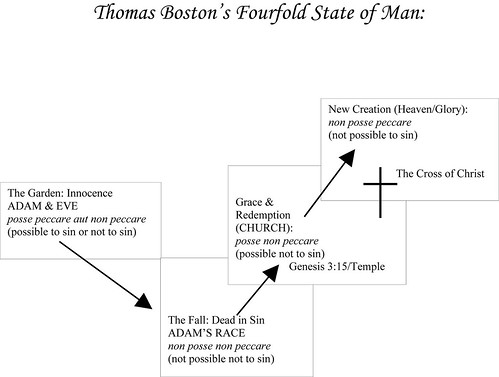
HT:PC
- Innocence—possible to sin or not to sin
- Fall—not possible not to sin
- Grace—possible not to sin
- Glory—not possible to sin
HT:PC
Friday, May 01, 2009
contextualization again
I love this thought from Tyler Kenny ... it's about teaching children but I think the point is more universal ...
Let's take a little people group called three-year-olds, for instance. If I only use words they don't know, they obviously won't learn anything. But if I only use words they do know, they won't learn anything either.
So contextualization isn't the most important thing with kids. The most important thing is concept creation. Children need to be given new categories of thought in order to learn.
Technorati Tags: preaching
Subscribe to:
Posts (Atom)